Questions to ask · Family and parenting · for your grandparents
What was my mom or dad like as a child?
Your grandparents hold the one thing your parents can never tell you themselves: what they were like at two, at six, at ten. Ask, and prepare to hear about your mother's haircut experiments or your father's career as a runaway.
Why this question works
It is the question grandchildren love most, because it turns a parent into a child. The person who makes the rules at your house once refused to eat peas, hid a frog in a drawer and cried on the first day of kindergarten. Grandparents tell these stories with enormous affection, and they are the only ones who can.
The question does something lovely for the whole family. It gives your grandparent a chance to be the expert on someone everyone in the room knows. It lets your parent hear how they were seen and loved as a child, which adults do not hear often enough. And it shows you where certain family traits come from. If you have ever been told you are just like your mother, this is where you find out exactly what that means, with examples.
How to ask it
Ask it with your parent in the room if they are a good sport. The groans, the denials and the "that is not how it happened" are part of the fun, and the conversation quickly becomes three generations talking at once. If your parent is easily embarrassed, ask your grandparent privately first and share the gentler stories later.
Keep the mood affectionate. You are collecting stories to treasure, not to tease with for the next twenty years. Ask for specific ages: "What was she like at five?" gets a better answer than a general question. Old photos help, and so does asking what your parent was like compared with their brothers and sisters.
Other ways to word it
- What was my mom like when she was little?
- What kind of kid was my dad?
- What did my mom or dad do that drove you crazy?
- Do I remind you of my parent at the same age?
Follow-up ideas
- Was my parent an easy baby?
- What did they love to play with?
- What were they afraid of?
- What is the funniest thing they ever said?
- What was the most trouble they ever got into?
- What were they good at from the very start?
- When did you first see the adult they would become?
An example answer
This is an invented example, written to show the kind of detail to listen for. Your grandma’s answer will be her own.
"Your father? He never walked anywhere. He ran. From the day he could stand up he was going somewhere at top speed, usually toward something he was not supposed to touch. When he was four he packed a pillowcase with crackers and his toy trucks and announced he was moving to the neighbors' house because they had a television. He got as far as their porch. They sent him home after supper."
"But he was the most tenderhearted boy. He brought home every stray animal in the county, and he cried when his sister lost her first tooth because he thought it hurt her. He would take apart anything with screws in it: clocks, radios, my good mixer. He usually got them back together. I look at you building things on the floor and it is him all over again, right down to the tongue sticking out when you concentrate."
What to write down
Write down the stories with an age attached to each, so that the picture builds from baby to schoolchild. Record the nicknames, the favorite toy, the fears and the first signs of the talents everyone knows today. Add the comparison with brothers and sisters. Then read it to your parent. Their corrections and additions belong on the page as well, marked as their side of things.
A question like this one has its own page in the family chapter of the Tell Me Your Story journals for grandparents. Once it is written down, your parent's childhood is kept in the words of the person who watched it happen.
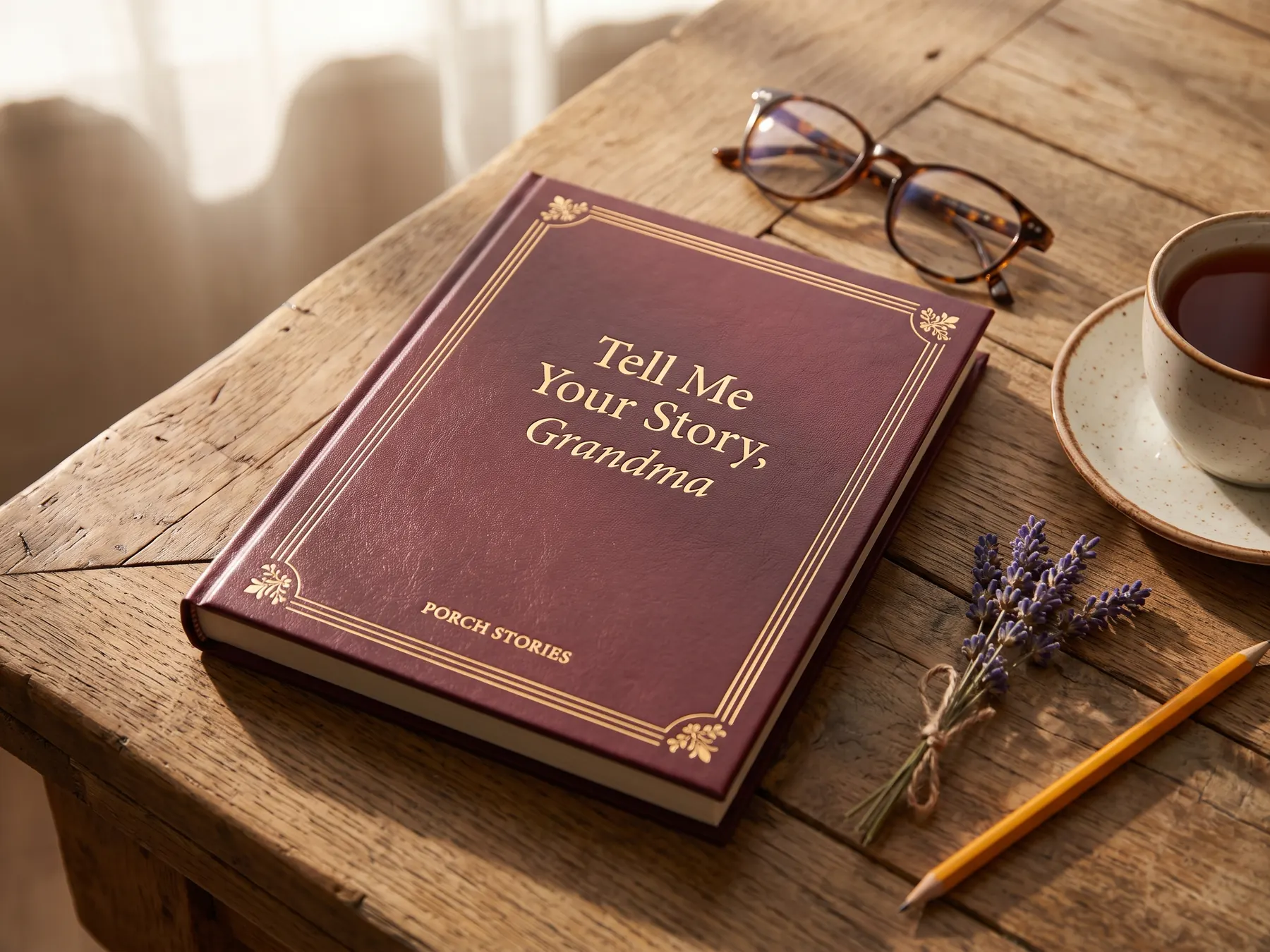
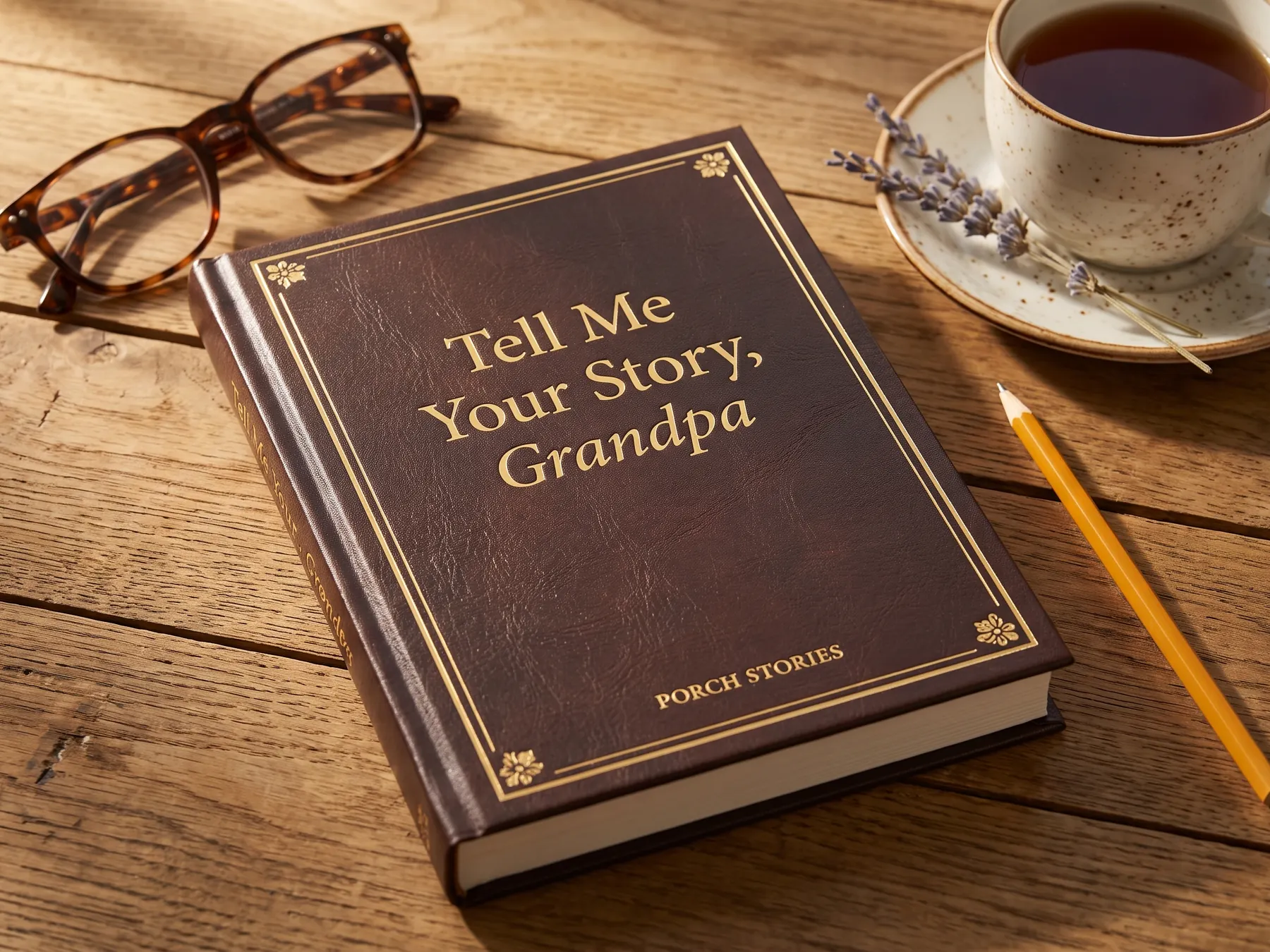
See the Tell Me Your Story, Grandma journal or the Tell Me Your Story, Grandpa journal. For more ideas, read questions to ask your grandparents or browse family and parenting questions.